Showing posts with label Health. Show all posts

Thursday, September 25, 2014

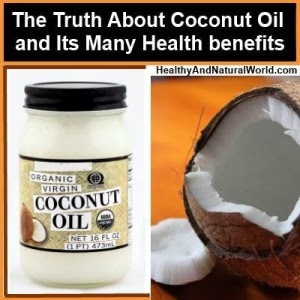
Disover the truth about Coconut Oil and it's many health benifits

Coconut oil has been a common sight in Asian and Pacific households for ages, but why is it that today all over the world the health benefits of coconut oil are being rediscovered? Did you know that there was a time in history when western countries, like the US and Canada, were huge consumers of coconut oil? But what happened back then?

How Did Coconut Oil Disappear From Our Kitchen Tables

Cardiovascular diseases where skyrocketing and becoming the primary cause of mortality in the sixties. The corn and soy oil production, supported by the American Heart Association, set up a negative propaganda campaign to spread the word that coconut oil was dangerous for your body due to the high saturated fat level.

You’ve probably all been told a thousand times that saturated fats are bad for your health and lead to all sorts of diseases like high cholesterol, obesity, cardiovascular diseases and Alzheimer’s. But why is it that since then Americans who suffer from cardiovascular diseases, obesity, high cholesterol and Alzheimer’s has been rising while they made the switch to hydrogenated polyunsaturated oils?

In fact multiple studies on Pacific and Asian populations, where the intake of coconut oil is high, show nearly no cardiovascular diseases and they are in perfect health. So obviously the coconut oil is not to be blamed for the clogged arteries and other cardiovascular diseases that Americans are struggling with.
But unfortunately the poorer tropical oil industry couldn’t afford to put up a campaign against the negative propaganda supported by the rich American soy and corn industry. Competition and a lot of money from the vegetable oil industry expelled the use of coconut oil, but finally it is gaining back its popularity. And you’re about to discover why we should give it a second life.

Not All Saturated Fats Are Bad For Your Health

Coconut oil consist mostly out of lauric acid, a small medium chain saturated fatty acid or triglyceride. Lauric acid has a more neutral effect on heart health when compared with other long-chain saturated fats found in meat and dairy. Medium- chain fats are easily metabolized into energy and less likely to be stored as fat within your body.

Not all fats are “created” equally. Some occur naturally and others are man-made through a process called hydrogenation. Those fats are known as trans-fats or hydrogenated polyunsaturated fats. They should be avoid like the plague. Trans-fats have been closely associated with heart disease because they not only increase LDL or ‘bad’ cholesterol but impede the body’s ability to utilize HDL or ‘good cholesterol. Most common vegetable and seed oils contain long chain fatty acids. Those larger molecules are more difficult to breakdown and therefore stored as fat. The only benefit of those trans-fats are its food shelf life and corporate profits

Discover 9 Amazing Health Benefits Of Coconut Oil

The unique combination of fatty acids found in coconut oil have a profound positive effect on your health. And I’m the living proof… I was born with a heart rhythm disorder and high cholesterol. Since I’ve started to use coconut oil a few years ago, my cholesterol level dropped to a more normal and stable level again.

1.    Heart Health

For years people believed that coconut oil was the enemy that caused obesity, clogged arteries and many other cardiovascular disease all around America. But those claims where funded by big corporates and were never questioned!

Actually, the saturated fats in coconut oil do not harm the blood lipid profile. The medium chained fats directly go to the liver where they are metabolized for energy or turned into ketone bodies, which are transported from the liver to other tissues to produce energy. Out of my own experience, and research also proves this, fatty acids presented in coconut oil improve cholesterol levels and reduce a high blood pressure. So it actually helps to prevent heart attacks, strokes and keep arteries flexible and prevent atherosclerosis. You can find here more information how to lower cholesterol, and how to reduce high blood pressure naturally.

2.    Boost Metabolism And Burns Fat


Coconut oil is abundantly used in tropical regions where the people tend to be slim and not overweight. The fatty acids are easily digested and converted into energy, meaning they will not be stored as body fat like most other fats. And on top of that coconut oil contains fewer calories in comparison with other cooking oils and increase the metabolic rate. And one more interesting fact, the ketone bodies can have an appetite reducing effect. Find here more information about additional foods that can increase your metabolism.

3.    Boost Immune System

The saturated fats found in coconut oil contain antibacterial, anti-viral, anti-fungal and anti-parasitic properties which strengthen your immune system. Find here more information on how to boost your immune system.

4.    Boosting Your Thyroid

It is believed that polyunsaturated oils and soy are negatively interfering with your thyroid activity, causing imbalances in hormone levels. Coconut oil can help you to put your underactive thyroid gland back to action.

5.    Beneficial For Alzheimer’s And Other Neurological Diseases

The medium-chain triglycerides found in coconut oil are readily converted into fuel used by brain cells for an improved brain function. Find here additional foods and supplements to delay Alzheimer’s disease and dementia.

6.    Digestion

The medium chain fatty acids are easily digested with less strain on the pancreas and digestive system. Coconut oil has anti-microbial properties which help to fight indigestion-causing bacteria, fungi and parasites. Coconut oil can effectively be used to prevent and cure candida. Candida is the excessive and uncontrolled growth, in your stomach, of a yeast called Candida Albicans. But that’s not all! Coconut oil helps the body to adsorb vitamins, minerals and amino acids even better and improves bowel functions.

7.    Reduces Symptoms And Risks Of Diabetes

Coconut oil helps to control and improve the insulin secretion and glucose in the blood will be used more effectively. Like mentioned before, coconut oil is immediately converted into energy or ketone bodies. Ketones are a perfect alternative fuel to glucose. You can find here additional foods to control diabetes.

8.    Skin

Coconut oil even benefits your skin and is well known for its anti-aging, moisturizing and regenerative effects. Coconut oil maintains body’s antioxidant reserves whereas other oils deplete them. As a natural SPF, coconut oil protects your skin against harmful and damaging UV rays.
But the list goes on: coconut oil also helps in treating various skin problems such as eczema, psoriasis, dermatitis and many more. No wonder that coconut oil forms the base ingredient of many of our body care products. And more good news, coconut oil can safely be used for your babies and young children too. Find here more information about the best fruit oils for skin care.

9.    Hair

Coconut oil has been used in homemade and commercial shampoos for ages. It is well known for healthy hair growth, shiny looks, repair damaged hair, aids to control dandruff and in ancient medicine used as a natural lice remover.

Remember… Always opt for organic, virgin coconut oil and avoid all the refined stuff!!! And despite the many health benefits of coconut oil and although coconut is a far better option for you to choose, like many things in life, moderation is the key. This means that up to 3 tbsp. daily per adult is an appropriate dose.

Tuesday, September 9, 2014

You’re So Needy


You're So Needy - Illness and Pain“You could get better if you wanted to.” “You should just try harder.” “You’re being lazy.” “You need to be more motivated.” “You’re so needy.”
Have you ever heard any of these comments from friends and family members? Have you ever said one of these to someone living with illness or pain? Often when we come across someone who says he has been sick or in pain for a long time, we think he is either exaggerating or not doing something about it. After all, when most people get sick, they get some rest, take some medication and are soon back on their feet. So why can’t our loved ones do that, too?
What we usually do not realize is how much people do attempt to regain their health. They have seen many doctors, had tons of tests, tried lots of medications and have undergone an unknown number of procedures. Yet, as we all well know, doctors do not always have all the answers. In fact, as our modern medicine improves, chronic illness actually rises. Excellent medical care saves lives and thereby, increases the rate of chronic illness.
Many times, we view those living with pain and illness as if their situation is due to a lack of motivation or attitude. They ask for help and we think they need to help themselves. We tell them if they “would just try harder,” have a “better attitude” and use “mind over matter,” they would not be suffering. Suffering can come upon us suddenly or gradually over time. Sometimes the cause is never known or found. Yet, the way people are judged and mistrusted can sometimes have just as devastating an impact on the sufferer as the actual pain or illness.
Quite often, the healthiness or appearance of fitness can add even more disbelief to the situation, especially if you are the strongest man in the world or at least play one on screen. As the star of the popular television show, “Hercules: The Legendary Journeys,” Kevin Sorbo portrayed an invincible demigod. He relished living the part—putting in 14-hour days on set, doing his own stunts and relentlessly working out at the gym. Until one day, it all came to an abrupt end.
Kevin, IDA’s 2013 Inspiration Honors Award recipient, shared in his book, True Strength – My Journey from Hercules to Mere Mortal—and How Nearly Dying Saved My Life, what viewers didn’t know – he suffered three strokes from an aneurysm in his shoulder that had been radiating blood clots throughout his body, likely for months. He was left partially blind and entirely incapacitated at just 38 years old.
Every time I told someone my story, it was hard. (Doing so is uncomfortable to this day, but I have discovered it is also therapeutic.) People’s incredulous reactions always made me feel more helpless. Even the professionals, who hid their initial surprise and approached treatment with positive words and a great attitude, could not disguise their uncertainty at treating a young person for an old guy’s disease.
We should never treat our loved ones as if they have chosen to have this condition and quit taking part in the activities they enjoy and miss. This approach is incredibly misconstrued, because why would they choose to give up the things they love? Most of all, why would we tell someone debilitated by his illness, “You just don’t want to work,” “You just don’t want to go out for dinner” or “You just don’t want to play with your children,” when he wants those things for himself more than we could possibly want those things for him. The truth is, if we look a little closer, we might see that our friend or family member is fighting this illness every step of the way, with courage most of us may never experience.
IDA 2013 Corporate Honors Award recipient and co-founder of RE/MAX, Dave Liniger, has done more adventurous things in his life than almost anybody I know. He served in Vietnam, is an avid pilot, has raced in NASCAR, has sky dived and even tried to circle the globe in a balloon. Yet in 2012, it was not an adrenaline activity that almost took his life, but a staph infection. Dave, who was always a strong leader, became the one who was most in need of others. Even from the onset of the illness, he was having a tough time asking for help. Dave shared his experience in his book, My Next Step: An Extraordinary Journey of Healing and Hope.
I’m the kind of man who rarely, if ever, asks for help. In my mind, real men don’t need a hand from anyone—ever. In fact, I rather despised the thought of being dependent on someone else, so for me to suggest that I might be in need was actually a very big deal. I just had a gut feeling that something bad was about to happen.
Yet, Dave did understand that people asking for help were not needy but in need. Thirty years ago, Dave’s wife, and then fiancé, Gail was recovering from her injuries sustained in a plane crash. “Even though I’d adhered to the ‘leave no man behind’ philosophy since I was in the military, this was the seminal moment when I vowed to myself that it would be my policy for life. No one deserves to be alone when they are sick, helpless and unable to care for themselves.”
Dave is in recovery from his illness, and I believe he has learned that sometimes no matter how strong you may think you are, there are times when you need others. I like to say that there are times when you need someone to carry the other end of the board. Or maybe even carry you.
In the midst of our busyness, especially during the holidays, let’s remember those who live with illness, pain or disability. We may have a friend, family member, someone at church, at work or a neighbor. Often those living with a debilitating condition are isolated and feel lonely or forgotten. There are many, simple ways we can show our love that does not take much of our time. So, let’s show them they are important to us by sharing our love with them throughout the year!
Although our schedules can get crazy, we can prioritize and even give up a few things that really aren’t that necessary. We can remember them with a card, a surprise gift in the mail, a phone call, bring them a meal or arrange a visit. We can also offer rides to doctor appointments or ask what they need from the grocery store. We can make a point to invite them to join us for a holiday dinner or party. What a gift it would be to be included! They need us. And we need them, too. Together, we can shine a little light in a dark time in their lives. Let’s all envision a world where people living with illness, pain and disability will be Invisible No More!
The main fibromyalgia signs and symptoms include deep muscle pain, painful tender points, and morning stiffness. Other major symptoms of fibromyalgia include sleep problems, fatigue, and anxiety. In order to make an accurate diagnosis, your doctor will need to review your symptoms and signs of fibromyalgia.

What Are the Common Symptoms of Fibromyalgia?

Common symptoms of fibromyalgia -- also known as fibromyalgia syndrome or FMS -- may include:
  • Pain
  • Anxiety
  • Concentration and memory problems -- known as "fibro fog"
  • Depression
  • Fatigue
  • Headaches
  • Irritable bowel syndrome
  • Morning stiffness
  • Painful menstrual cramps
  • Sleep problems
  • Numbness, and tingling in hands, arms, feet, and legs
  • Tender points
  • Urinary symptoms, such as pain or frequency

Is Pain the Most Common Symptom of Fibromyalgia?

Yes. Widespread pain is characteristic of almost all people with fibromyalgia. In fact, pain is usually what forces a person with fibromyalgia to see his or her doctor.
Unlike the joint pain of osteoarthritis, fibromyalgia pain is felt over the entire body. The pain can be a deep, sharp, dull, throbbing, or aching, and it is pain that's felt in the muscles, tendons, and ligaments around the joints. The Arthritis Foundation describes the muscle and tissue pain as tender, aching, throbbing, sore, burning, and gnawing.
For some people with fibromyalgia, the pain comes and goes. The pain also seems to travel throughout the body.

Do Painful Tender Points Accompany Fibromyalgia Pain?

Along with the deep muscle soreness and body aches, people with fibromyalgia may have painful tender points or localized areas of tenderness around their joints that hurt when pressed with a finger. It's the tissue around the muscles and joints rather than the joints themselves that hurts. These tender points are often not areas of deep pain. Instead, they are superficial, located under the surface of the skin.
The location of tender points is not random. They are in predictable places on the body. If you apply pressure to tender points on a person without fibromyalgia, he or she would just feel pressure. For a person with fibromyalgia, pressing the tender points can be extremely painful.

Is Fatigue a Fibromyalgia Symptom?

Next to pain and tender points, fatigue is a major complaint. Fatigue in fibromyalgia refers to a lingering tiredness that is more constant and limiting than what we would usually expect. Some patients complain of being tired even when they should feel rested, such as when they've had enough sleep. Some patients report the fatigue of fibromyalgia as being similar to symptoms of flu. Some compare it to how it feels after working long hours and missing a lot of sleep.
With fibromyalgia, you may feel:
  • Fatigue on arising in the morning
  • Fatigue after mild activity such as grocery shopping or cooking dinner
  • Too fatigued to start a project such as folding clothes or ironing
  • Too fatigued to exercise
  • More fatigued after exercise
  • Too fatigued for sex
  • Too fatigued to function adequately at work

    Symptoms of Fibromyalgia

    What Are the Symptoms of Fibromyalgia?

    Symptoms of fibromyalgia include:
    • Chronic muscle pain, muscle spasms, or tightness
    • Moderate or severe fatigue and decreased energy
    • Insomnia or waking up feeling just as tired as when you went to sleep
    • Stiffness upon waking or after staying in one position for too long
    • Difficulty remembering, concentrating, and performing simple mental tasks ("fibro fog")
    • Abdominal pain, bloating, nausea, and constipation alternating with diarrhea (irritable bowel syndrome)
    • Tension or migraine headaches
    • Jaw and facial tenderness
    • Sensitivity to one or more of the following: odors, noise, bright lights, medications, certain foods, and cold
    • Feeling anxious or depressed
    • Numbness or tingling in the face, arms, hands, legs, or feet
    • Increase in urinary urgency or frequency (irritable bladder)
    • Reduced tolerance for exercise and muscle pain after exercise
    • A feeling of swelling (without actual swelling) in the hands and feet

Friday, September 5, 2014


                              "Living With Chronic Pain" (Part 3)

                             "Don't get too close, it's dark inside, it's where my demons hide.
                                                                              Imagine Dragons

  It was a constant battle in my mind. I wanted that high and I also needed to get out of pain. Once you begin using pills to get high, you need to use more and more to just to feel that high. Your chasing a high that you won't get like you did the very first time. That's why it's called "Chasing The Dragon". You have to use more to maintain just so your body feels normal. You don't feel a high like you first did but it still feels good. All you think about is MORE and you watch the clock to see if it's time yet for your next pill. The pain was just so bad that I wasn't able to do a lot of things. Especially with my kids. I wanted to be out of pain so I could go do things with my kids. It was a battle doing housework. I have an OCD with cleaning. I would clean with my music blasted up high and dance and act crazy with the kids. Even though it hurt my back more, I still did it. I started doing aerobics and weight training when I was sixteen. I was addicted to exercise also. I would even dance for my aerobics. I love dancing. It was always a passion of mine to become a dancer. But, it was great exercise and it would hurt my back really bad but I had to lose weight. I didn't care how painful it was. I just thought after awhile the pain would get better instead of worse because I was strengthening my muscles. Little did I know, my Chiropractor told me that aerobics is good of course, but I should have strengthened my core first. So, I probably injured myself more. After I was diagnosed with Fibromyalgia, I realized that's what made me stop exercising during my pregnancy with Joshua. When we lived in CA. I just got to exhausted and painful to keep up with my aerobics and Yoga.   It really made me angry that I had to stop. Not only did I have a good looking body and nice muscles, but it gave me the energy I needed and I knew it was helping my body not get worse.

 So, I became really depressed even more so than I was. Living with Chronic pain was just hard. I had pain I had to deal with even when I sleep. I couldn't sleep more than 4-5 hours because it would hurt my back and hips from laying to long. I have bad hip pain from the fractured pelvis I got from the car accident. My Chiropractor did x-rays of my pelvis and said I had a twisted pelvis. I don't see how that's possible but I need a second opinion on that. I have 2 herniated disks in my low back and bone spurs, which are painful, on my spine. I also have scoliosis that I was born with. The drs. said that causes more pain than a slipped disk. I have joint and disk disease which is really bad arthritis in my lower back.  I have Fibromyalgia and Chronic Fatigue Syndrome. I have plantar Fasciitis on my feet. which means they get very painful from standing after just 5 min. I have Migraines which have lessened but I get spinal headaches I call them because I can't lean my back against anything or it goes right to the back of my head and causes an explosive headache. It lasts 3 days at times. I have a broken coccyx bone which makes it hard for me to sit long. I def can't sit on those hard chairs.

 I have lived with this chronic pain since I was 19. I would do things like go to the zoo for my kids even though it killed me. I forced myself to do a lot of things to take the kids places. After they got older, my pain got worse and worse. So, I'm glad I was able to do a lot of things with them before I got this bad. It's very depressing having to live in pain all the time. I grew up with severe depression and anxiety and that got worse of course because of me and my husband arguing a lot. There were a lot of times my own husband would say I was faking it. That really hurt. I mean it's hard enough dealing with this pain and hating the fact that I can't do much besides stay in bed, let alone having someone who supposedly loves you, say your faking it. Yeah, I wish I was faking. Having your own husband who lives with you and sees the pain your going through and begging for back rubs because it was worse at night, and than him go and say that your faking it to our friends at church and our own kids. Instead of supporting me, he just made up lies and started to put the focus on him.

 The counselor we were seeing together and I also saw her on my own, she explained to him that I had PTSD, from being raped 3 times and being with abusive men and my father. She said I have Bi-polar, PTSD, and Borderline Personality Disorder. So, he started to focus on having PTSD himself. From being in Iraq. Now, I told him he may have that and than he just forgot all about me and started telling everyone that he had PTSD and he just always talked about himself. It was always like that. He either always talked about being a Soldier or Fireman. It just got really old. I was always there to support him and listen but he never was for me. He didn't understand Addiction and didn't care to learn about it and support me. Even the kids got sick of hearing him. Yeah, after things got worse with him throwing things at me and his yelling scaring the kids he told me to get out. I knew I could stay but I also knew it was a bad idea because it was really affecting the kids and myself. The stress and anxiety made my pain worse. I screamed at him so I'm not saying I was perfect. It was hard not to scream back when he would say the most cruel things to me in front of the kids.

 Anyhow, the last 2 years I was still living there, my addiction got so bad that I had to put myself in rehab. I was withdrawing really bad because I failed the doctor drug test. I took some Percocet's that was left over from my sons surgery. He was done them so I took them and he saw them on the drug test and he kicked me out as a patient. I went through the pure evil and hell of withdrawing. I swore I'd never touch those again because the hell of withdraw is just pure evil. I hated my kids seeing me like that but I told them this is what you'll go through if you get hooked on pills. You get a constant runny nose, chills real bad, sweats, leg cramps and your skin feels like it's on fire. You want to punch your legs cause the pain is just horrible. It just feels like the flu, only ten times stronger! But I knew it was time to get off those,. I didn't want those to damage my liver or kidneys and I knew it was causing me to have serious mood swings. I would get angry easily. I got off them and was clean for two years before he kicked me out. I was going to meetings and did 4 different meetings. It was very hard at first because after being on pills all my life basically, since I was 19, that's all I knew. I now had no pills. I was on 2 opiates and a muscle relaxer that was also addicting. Soma. I loved the high I got from taking all those together. But, I was used to popping a pill when I was in pain, when I was stressed or upset, when I was bored or angry. I used all kinds of excuses. So, I would take Tylenol and Motrin but I knew too much Tylenol was bad so I couldn't take a lot. It was just hard not having any pills.  

 It was just really hard dealing with pain everyday and all day. It would get worse at night but it was all day constant pain. I tried to not complain because I know how annoying that is. But, yeah, I suffer silently. I hate that it controls my life. The Fibromyalgia is just horrible. You have all kinds of ailments with that alone. It causes headaches, body aches, joint pain, you can't stand cold or hot weather, chest pain, and your skin is sensitive as well. My kids would joke around and hit me on my arm and I would yell with pain. It stings bad. There are many symptoms.

I have relapsed and got some pain pills and even started to snort them. Being away from my kids has took a big piece of my heart with them. I was lost when I left and moved back home with my parents. It felt like they were kidnapped. My ex-husband told them I wanted to leave. I was just so empty. I went from being a wife and mother, to nothing.  I can't see my sons because they live 3 hours away and my daughter moved to CA. with her boyfriend. It was so bad the first year home. I couldn't think of them or talk about them without crying bad. It was hard to look at pictures of them without breaking down and just thinking about my youngest son and needing mama. It was so bad that I got back to drinking again almost every night. I have the opportunity to write now. I've allowed the depression to make me not want to read or write. In order to write, you have to do a lot of reading as well. I had to get back on depression pills to help me. I also got a mood stabilizer for the bi-polar. I have mild bi-polar. Mainly the bi-polar depression. It will paralyze you. So, I have severe depression also because of being in pain a lot. I want to get back on pills because of the pain but I know I developed an addiction to them so it's not a good idea. I am working on my Memoir and doing my daily writing. I am doing a writing class now and it's helping me out. I just need to focus on that right now. I don't drive yet because the accident left me fearful. I am still very afraid and seeing all these accidents and the way people drive just kills me with fear. It's also my brain injury that has me worried about driving. I fear that I will mess up like not paying attention because I have a problem focusing on things.

I got addicted to snorting pills. This guy I was with started me on that. I told him to please never use in front of me because I was addicted to cocaine at one point and loved snorting it. So, he cut up the pill in front of me and sniffed it so that made me want to try it. I got really addicted though. I'm still off the alcohol and pills too. So, I need to stay from people who use and drs. that would be willing to give them to me. So, it's hard having pain and nothing to help but I know if I get back on them, it's pointless because you'll always have to go up in dose and your body just gets addicted to them and you feel worse pain because your body is used to them so you need higher doses and you start withdrawing after 4 hrs. Not bad withdraw because your still taking them but when you start withdrawing, I call it like thawing out. Your body feels everything. I felt worse back pain. I know when I stopped for those 2 years, my back hurt but not like it did when I was on them. I felt all kinds of pain while I was on them. So, I know it's just not worth getting back on them. I can't control my addiction so what's the point and getting on them and risking my addiction get worse? Drugs always leads to either jail or death. It's not worth it. A lot of addicts think they can control it their self but you just can't. I've quit alcohol and cocaine  by myself. I can stop on my own but I can't be around them or else it will get out of control and I'll start using again. My kids need me alive. I may not be able to see them now but I know things will change soon and I'll be able to see them and I need to be clean for myself and for them! I refuse to allow my addiction to control me or kill me. I also can't be a good writer if I'm using. So, I just thought I'd share my story for anyone struggling with chronic pain and or pill addiction.

 I know there are other ways like doing light aerobics and light weight lifting to help with pain. I can use other things to help instead of pills. I've tried to needles in my back but that didn't work. I know eating healthy and not smoking can help as well. I'm staying focused on what exercises my chiropractor taught me to do and losing some of this belly will help with back pain. I gained some weight over the last 4 years. It's been hard but I'm sticking with the program and staying focused on my writing. Writing is my passion and I can't wait to publish this book!!


                          "Living With Chronic Pain"  (Part 2)

 I've had to deal with living with pain all my life. I was on pain pills for seventeen years. Since I was 19. That's when I got in the car accident. I had a slipped disk in my back and one in my neck. Later on, I got another slipped disk in my low back and all the ones in my neck are slipped. That's seven I believe in the neck. It may be because of the exercises I did. I used weights to do crunches with my abs, so I may have got them from those. My back and neck pain got worse over the years. So did my brain injury. Because of the car accident, I got Post-grade and Retro-grade Amnesia. I couldn't remember the car accident and other things in my past. I also have a hard time retaining new information. It's almost like on 50 First Dates. It's like my slate gets wiped clean after I go to bed. I sometimes forget what I did or something I learned. If I read an article or wrote one, I forget what it was about or I have a hard time explaining what I learned to someone. I'm just very forgetful and that comes with age but top it off for me, it's my brain injury as well.

 I have severe back pain that I still have to deal with. Like I said before, I was on pain pills for seventeen years. I went from Darvocet, Percocet, Oxycontin, Morphine, and than Opana. A lot of people get addicted to them. Your body becomes addicted first. Your body becomes immune to them and you have to go up in dose. I would watch the clock because it says every 4-6 hours, so I would take them every four hours. Than I started taking two at once. That clock became my life. I was addicted but I was in serious pain as well. Little did I know back than that it's like a roller coaster. You just need to go up in dose and I would tell the doctor that my pain is really bad and these pills are not helping. It was true but I would exaggerate how bad the pain was. Little did I know that they really do stop working because your body is immune to them by now.

 Than, I would tell the doctor again that they weren't helping. I would wait like three months or so before I told him they weren't helping. Than he chose to put me on Percocet's. I got really out of control with those. I would take them every four hours and sometimes two every four hours. When I would run out early, I would tell the doctor it was because I took them every four hours instead of every six hours, which would mean that you run out faster because he didn't give me the right amount of pills for every four hours. So, I was than up to fifteen percs a day. My husband was stationed in Ft. Irwin, CA. at the time. I just had Joshua, my youngest son. I took them while I was pregnant but it was before I got out of control. I hated being on them while I was pregnant but with my pain, it was just unbearable and they thought I would be bed ridden during my whole pregnancy.  I wasn't and I know because the pills did help me. I still had Brian to chase around. He was 3-4 at the time.

 I did get out of control after I had him and the doctor figured out I was developing a problem with them, so he offered me to go to rehab. I wanted to but I just couldn't leave my kids like that. They would have to watched by a stranger because my husband had to work. So, I had to battle myself and discipline myself into just taking them the way I'm prescribed to. I did and I did good. I was able to just stop and take them right. My kids needed me awake and functional not all messed up and tired all the time because the pills make you tired. I did it on my own though.

 When we left CA., we ,moved back to North Carolina. I was put on Oxycontin. That was a bad idea. I really got addicted to those. They were so strong that as I was walking to the bathroom, I fell asleep and busted my head on the entertainment stand. I had a huge bruise from it. I kept falling asleep, even while I was going to the bathroom. Than my body got immune to them. They bumped up the doses from 20 mg. to 40 mg. Later on they put me on Morphine. I was really addicted to those to. I had to watch that I didn't run out early and when I did, I didn't tell the doctor. I just had to deal with withdraw. I had to do that a lot. Even when I was on Percocet's, I ran out like a few days early. Than it would turn into a week early so I had to suffer withdraw. They bumped me up to Opana's. I was told that these meds were meant for someone with cancer. I know the pain I felt was like having cancer. I had deep bone pain. They had me on Opana 20 mg. one a day and than 40 mg. Opana up to four times a day. I was really addicted but I really couldn't see that because the pain was bad and I knew I had no choice but to stay on pain meds. Otherwise I just couldn't do things because of the pain.

 My addiction didn't effect my kids in the sense, I didn't go out drinking and partying. I wasn't real high on pills to where I couldn't take care of my kids so I figured there was no problem. I knew people on the "Intervention" show, they were taking like 50 pills a day and some more than that. They were also drinking and or smoking pot. I was only taking two pills a time and I was taking them every 2 hours. I saw no harm in what I was doing because I was functional and able to do housework and take care of my kids. Little did I know though, that it did cause me to have serious anger issues and it was making me too tired to want to play with my kids. So, I started seeing how it was affecting me as a Wife and Mother. It was a constant battle in my mind. I'll explain more in part 3.


Thursday, September 4, 2014

                                          "Living With A Chronic Illness"


     When I opened my eyes, all I saw was dark and rain drizzling on me. I looked around to see what happened and where I was. I was on the wet ground and realized that we were in a car accident. I tried to get up but some pain was stopping me from moving. I had a severe pain by my pelvis. I heard Dave call for me. He came by my side holding his rib.  

 "Lisa, stop moving your hurt. You may hurt yourself more if you keep trying to get up. Just lay still until the ambulance gets here". 
 "Are you OK?" I asked Dave. 
 "My ribs hurt. Think I broke some ribs." 

I wasn't afraid of dying at all for some reason. I remember that I hated laying in the wet mud. The fire station was right across the street so they were fast getting there. I was going in and out of consciousness. I heard the sirens and I than remembered them cutting my clothes off. It upset me because I was saying "no, not my favorite daisy duke shorts and half top." Only I would be dying and only care about my clothes, ha ha. 

 The next memory was them asking Dave for my parents phone number and one of them said, "she's not gonna make it." I could have went into shock with him saying that. My husband had told me they're not aloud to say that but he did. I still wasn't worried. I kept going in and out but for some reason I wasn't worried. I truly believe my Angel was there to keep me alive and I guess she kept me calm. My next memory was waking up in the hospital and they were pushing me on the gurney and my parents were there. My dad always worried about me brushing my teeth when I was growing up and so he asked the nurse if all my teeth were broken out. She said no, it's just blood and mud that make it look like that. Only my Daddy. So, I remembered them moving me from the gurney to the MRI machine because I screamed in pain! Laying on that hard board killed my back. Then I remember them putting a breathing tube down my throat. They told me to swallow as they were putting it in. I hated that. That was the worst. 

 Dave and I were drinking that night and he smoked pot. It was storming out and his parents ran out of gas coming back from the beach, so we had to go bring them some gas. It was pouring out so I was afraid and laid down on his lap. We came up to a light but the lights were all out, so he just went on. We were hit on my side and the car went airborne and than hit a curb and than wrapped around the pole. I fell out of the car while it was airborne. I landed by the drivers side. If I had my seat belt on, I would have been crushed. 

 I was in the hospital for a week.  I had a fractured pelvis and herniated disk in my low back. I also had retrograde and post grade amnesia. I wasn't allowed to see my face for the first three days. That really scared me. I had cut marks all over my face from the glass. I had glass in my hair and blood. I had cuts all over and bruises. When the car was airborne, I fell out. So, I had a huge black and purple bruise from my booty up to the middle of my back some. I had a deep long gash down the side of my thigh and the same exact one on my other thigh. I hated when the nurses would come in my room at 2 am and have to clean my wounds. That was the worst pain! They had to pour distilled water in it and that medicine. It was painful. Dave's mom took better care of me than the nurses. I had glass in my hair and blood and so she brought in dry shampoo and washed my hair and got all the glass out. She also let me see my face with the mirror she brought. I wasn't able to walk, so the first three days I couldn't see it because I had to use a potty pan. When I saw my face, my heart broke. I had slashes and cuts all over my face. I felt sick. I prayed and had faith God would heal most of them. I couldn't walk for the first 3-4 days. Than they started me in therapy basically teaching me how to walk again. I had to use a walker. 

  I had to use a walker to walk for the first 2 months. Than I went to crutches for 2 months and than one crutch for a month. I couldn't hold my daughter either when I was home. I hated having to just lay in bed and have everyone wait on me and take care of my daughter. My sister helped and she was a home nurse, so she cleaned my wounds and helped. I couldn't lift my daughter because it would have put strain on my pelvis. I had to get on pain medication for the back pain and the sciatic nerve that would shoot down my leg. It is horrible pain to have to deal with. 

 It was such a struggle dealing with back pain everyday and trying to chase my daughter around. I know it woke me up. I was doing cocaine and drinking every night. This accident woke me up. I could've left my daughter without a mother and I am so thankful to God that we didn't have her with us. We would always bring my daughter over there. His mom loved her and always played with her. So, thanks be to God that my mom watched her that night. I stopped cold turkey cocaine and alcohol. I hated being in pain. It made me miserable. I had to learn how to deal with it. The pain meds helped some. I always did aerobics and weight training and so I couldn't do that for awhile. When I got back into it though, I could tell it helped my pain. It was making me feel better so I stuck with doing it. 


Friday, August 22, 2014

How Procrastination Hurts Your Confidence

Could your Candy Crush addiction hurt your confidence? They may not seem related but putting off a dreaded task or pushing away emotions can make procrastination a problem. Perhaps you avoid that project until the last minute, or feel lazy instead of motivated at the thought of another monotonous task and reach for the remote. Avoiding the work breeds more self-loathing thoughts and makes room for negative self-talk to arise, which makes your confidence plummet. 
Dopamine is a very powerful neurotransmitter, it makes you motivated and crave pleasure, which is a key part of procrastination. If a task has a higher, historical likelihood (or perceived future likelihood) of producing dopamine, our brain becomes addicted to reproducing these activities, and avoiding the others. Turning on a show that makes you laugh, instead of talking to a frustrating spouse, can create a habit of avoiding the conversation, and harboring those emotions until they are too big to keep in.
Learn 4 ways to stop the habit of procrastination and start feeling proud of yourself. Putting off tasks and avoiding emotions leads to low self-confidence.
You don’t always need a prescription for change. In fact, most doctors would tell you to try to change your behaviors before popping a pill to help with procrastination. Your brain chemistry can change when you engage in new habits, new thinking styles, which means you will feel happier, proud, and more motivated.
4 Ways to Stop Procrastinating and Feel Proud
  1. Focus on what is working. We often focus on what sucks, what we need to improve on, or what isn’t working. Change it up. If you notice that you are complaining (in your mind or out loud) start to notice what is going well. This can be challenging but try it. Say you’re feeling down because your job isn’t making you happy. Focus on what is going well: the sweet co-workers or your short commute. When you practice reminding yourself about the good things it enhances your capacity to feel good too.
  2. Create a reward system. Setting small goals, breaking up tasks and rewarding effort can help rewire the brain.  A 5-10 minute Facebook feed session after an hour of doing that dreaded task, can stimulate the reward center in your brain. Reward yourself with a positive complement or a bite of a sweet treat, even with a task that you are supposed to do, but just don’t feel like doing. This triggers your brain to begin to like the new task, and conditions your thoughts patterns to become more positive.
  3. Get more positive feedback. Allow yourself to experience frequent positive feedback as you work towards goals. If someone gives you a compliment, sit with that feeling for a minute before moving on to the negative voice in your mind. If you meet a goal or get a good review, sit with the feeling of pride for a little while; go back to it if the dark cloud of doom and gloom surfaces. Just go back to the feeling. People who provide positive reinforcement can help you to push through the blocks that keep you stuck in your behaviors. A trainer, nutritionist, Alcoholic’s Anonymous sponsor, therapist or anyone can help push you along the way.
  4. Embrace a new goal and take small steps towards it every day. That may be saving money or stopping the cigarettes. Putting a dollar away every day and watching the jar grow, creates incentive. Each step, even the smallest one, such as putting out the cigarette halfway through, is awesome and your brain remembers. Remind yourself of how well you are doing even if your not all the way there.


You can visit Emily’s Guidance Girl website. You can also find her on Google+ ,Facebook, and Twitter.

Tuesday, August 19, 2014

Types of personality disorders are grouped into three clusters, based on similar characteristics and symptoms. Many people with one personality disorder also have signs and symptoms of at least one additional personality disorder.

Cluster A personality disorders

Cluster A personality disorders are characterized by odd, eccentric thinking or behavior. They include paranoid personality disorder, schizoid personality disorder and schizotypal personality disorder. It's not necessary to exhibit all the signs and symptoms listed for a disorder to be diagnosed.

Paranoid personality disorder

  • Pervasive distrust and suspicion of others and their motives
  • Unjustified belief that others are trying to harm or deceive you
  • Unjustified suspicion of the loyalty or trustworthiness of others
  • Hesitant to confide in others due to unreasonable fear that others will use the information against you
  • Perception of innocent remarks or nonthreatening situations as personal insults or attacks
  • Angry or hostile reaction to perceived slights or insults
  • Tendency to hold grudges
  • Unjustified, recurrent suspicion that spouse or sexual partner is unfaithful

Schizoid personality disorder

  • Lack of interest in social or personal relationships, preferring to be alone
  • Limited range of emotional expression
  • Inability to take pleasure in most activities
  • Inability to pick up normal social cues
  • Appearance of being cold or indifferent to others
  • Little or no interest in having sex with another person

Schizotypal personality disorder

  • Peculiar dress, thinking, beliefs, speech or behavior
  • Odd perceptual experiences, such as hearing a voice whisper your name
  • Flat emotions or inappropriate emotional responses
  • Social anxiety and a lack of or discomfort with close relationships
  • Indifferent, inappropriate or suspicious response to others
  • "Magical thinking" — believing you can influence people and events with your thoughts
  • Belief that certain casual incidents or events have hidden messages meant specifically for you

Cluster B personality disorders

Cluster B personality disorders are characterized by dramatic, overly emotional or unpredictable thinking or behavior. They include antisocial personality disorder, borderline personality disorder, histrionic personality disorder and narcissistic personality disorder. It's not necessary to exhibit all the signs and symptoms listed for a disorder to be diagnosed.

Antisocial personality disorder

  • Disregard for others' needs or feelings
  • Persistent lying, stealing, using aliases, conning others
  • Recurring problems with the law
  • Repeated violation of the rights of others
  • Aggressive, often violent behavior
  • Disregard for the safety of self or others
  • Impulsive behavior
  • Consistently irresponsible
  • Lack of remorse for behavior

Borderline personality disorder

  • Impulsive and risky behavior, such as having unsafe sex, gambling or binge eating
  • Unstable or fragile self-image
  • Unstable and intense relationships
  • Up and down moods, often as a reaction to interpersonal stress
  • Suicidal behavior or threats of self-injury
  • Intense fear of being alone or abandoned
  • Ongoing feelings of emptiness
  • Frequent, intense displays of anger
  • Stress-related paranoia that comes and goes

Histrionic personality disorder

  • Constantly seeking attention
  • Excessively emotional, dramatic or sexually provocative to gain attention
  • Speaks dramatically with strong opinions, but few facts or details to back them up
  • Easily influenced by others
  • Shallow, rapidly changing emotions
  • Excessive concern with physical appearance
  • Thinks relationships with others are closer than they really are

Narcissistic personality disorder

  • Belief that you're special and more important than others
  • Fantasies about power, success and attractiveness
  • Failure to recognize others' needs and feelings
  • Exaggeration of achievements or talents
  • Expectation of constant praise and admiration
  • Arrogance
  • Unreasonable expectations of favors and advantages, often taking advantage of others
  • Envy of others or belief that others envy you

Cluster C personality disorders

Cluster C personality disorders are characterized by anxious, fearful thinking or behavior. They include avoidant personality disorder, dependent personality disorder and obsessive-compulsive personality disorder. It's not necessary to exhibit all the signs and symptoms listed for a disorder to be diagnosed.

Avoidant personality disorder

  • Too sensitive to criticism or rejection
  • Feeling inadequate, inferior or unattractive
  • Avoidance of work activities that require interpersonal contact
  • Social inhibition, timidity and isolation, especially avoiding new activities or meeting strangers
  • Extreme shyness in social situations and personal relationships
  • Fear of disapproval, embarrassment or ridicule

Dependent personality disorder

  • Excessive dependence on others and feels the need to be taken care of
  • Submissive or clingy behavior toward others
  • Fear of having to provide self-care or fend for yourself if left alone
  • Lack of self-confidence, requiring excessive advice and reassurance from others to make even small decisions
  • Difficulty starting or doing projects on own due to lack of self-confidence
  • Difficulty disagreeing with others, fearing disapproval
  • Tolerance of poor or abusive treatment, even when other options are available
  • Urgent need to start a new relationship when a close one has ended

Obsessive-compulsive personality disorder

  • Preoccupation with details, orderliness and rules
  • Extreme perfectionism, resulting in dysfunction and distress when perfection is not achieved, such as feeling unable to finish a project because you don't meet your own strict standards
  • Desire to be in control of people, tasks and situations and inability to delegate tasks
  • Neglect of friends and enjoyable activities because of excessive commitment to work or a project
  • Inability to discard broken or worthless objects
  • Rigid and stubborn
  • Inflexible about morality, ethics or values
  • Tight, miserly control over budgeting and spending money
Obsessive-compulsive personality disorder isn't the same as obsessive-compulsive disorder, a type of anxiety disorder.

When to see a doctor

If you have any signs or symptoms of a personality disorder, see your doctor, mental health provider or other health care professional. Untreated, personality disorders can cause significant problems in your life that may get worse without treatment.

Friday, August 15, 2014

Generalized Anxiety Disorder Symptoms

By PSYCH CENTRAL STAFF

Generalized anxiety disorder (GAD) is more than the normal anxiety people experience day to day. It’s chronic and exaggerated worry and tension, even though nothing seems to provoke it. Having this disorder means always anticipating disaster, often worrying excessively about health, money, family, or work. Sometimes, though, the source of the worry is hard to pinpoint.
Simply the thought of getting through the day provokes anxiety.
People with GAD can’t seem to shake their concerns, even though they usually realize that their anxiety is more intense than the situation warrants — that it’s irrational. People with GAD also seem unable to relax. They often have trouble falling or staying asleep. Their worries are accompanied by physical symptoms, especially trembling, twitching, muscle tension, headaches, irritability, sweating, or hot flashes. They may feel lightheaded or out of breath. They may feel nauseated or have to go to the bathroom frequently. Or they might feel as though they have a lump in the throat.
Many individuals with GAD startle more easily than other people. They tend to feel tired, have trouble concentrating, and sometimes suffer depression, too.
Usually the impairment associated with GAD is mild and people with the disorder don’t feel too restricted in social settings or on the job. Unlike many other anxiety disorders, people with GAD don’t characteristically avoid certain situations as a result of their disorder. However, if severe, GAD can be very debilitating, making it difficult to carry out even the most ordinary daily activities.
GAD comes on gradually and most often hits people in childhood or adolescence, but can begin in adulthood, too. It’s more common in women than in men and often occurs in relatives of affected persons. It’s diagnosed when someone spends at least 6 months worried excessively about a number of everyday problems.

Specific Symptoms of Generalized Anxiety Disorder

Excessive anxiety and worry (apprehensive expectation), occurring more days than not for at least 6 months, about a number of events or activities (such as work or school performance).
The person finds it difficult to control the worry.
The anxiety and worry are associated with three (or more) of the following six symptoms (with at least some symptoms present for more days than not for the past 6 months; children do not need to meet as many criteria–only 1 is needed).
  • Restlessness or feeling keyed up or on edge
  • Being easily fatigued
  • Difficulty concentrating or mind going blank
  • Irritability
  • Muscle tension
  • Sleep disturbance (difficulty falling or staying asleep, or restless unsatisfying sleep)
Additionally, the anxiety or worry is not specifically about having a Panic Attack (though panic attacks can occur within a person with GAD), being embarrassed in public (as in Social Phobia), being contaminated (as in Obsessive-Compulsive Disorder), being away from home or close relatives (as in Separation Anxiety Disorder), gaining weight (as in Anorexia Nervosa), having multiple physical complaints (as in Somatization Disorder), or having a serious illness (as in Hypochondriasis), and the anxiety and worry do not occur exclusively during Posttraumatic Stress Disorder (PTSD).
The anxiety, worry, or physical symptoms cause clinically significant distress or impairment in social, occupational, or other important areas of functioning.
The disturbance is not due to the direct physiological effects of a substance (e.g., a drug of abuse, a medication) or a general medical condition (e.g., hyperthyroidism) and does not occur exclusively during a Mood Disorder, a Psychotic Disorder, or a Pervasive Developmental Disorder.

Anxiety

An Introduction to Anxiety Disorders

By John M. Grohol, Psy.D. 
Table of Contents
Anxiety, worry, and stress are all a part of most people's life today. But simply experiencing anxiety or stress in and of itself does not mean you need to get professional help or you have an anxiety disorder. In fact, anxiety is a necessary warning signal of a dangerous or difficult situation. Without anxiety, we would have no way of anticipating difficulties ahead and preparing for them.
Anxiety becomes a disorder when the symptoms become chronic and interfere with our daily lives and our ability to function. People suffering from chronic anxiety often report the following symptoms:
  • Muscle tension
  • Physical weakness
  • Poor memory
  • Sweaty hands
  • Fear or confusion
  • Inability to relax
  • Constant worry
  • Shortness of breath
  • Palpitations
  • Upset stomach
  • Poor concentration
These symptoms are severe and upsetting enough to make individuals feel extremely uncomfortable, out of control and helpless.
Anxiety disorders fall into a set of separate diagnoses, depending upon the symptoms and severity of the anxiety the person experiences. The anxiety disorders discussed in this series on anxiety are:
Although obsessive-compulsive disorder (OCD) and posttraumatic stress disorder (PTSD) are considered anxiety disorders, they are covered elsewhere independently on Psych Central.